

Understanding VLT: How Dark Should Your Window Tint Be?
When it comes to window tinting, one number matters more than any other: VLT, or Visible Light Transmission. Whether you’re looking for privacy, heat rejection, or a sleek aesthetic, understanding VLT is essential—especially for drivers in Texas, where tint laws are strict and the sun is unforgiving.
Let’s break down what VLT means, how it affects your tint choices, and what’s legal in the Lone Star State.
What Is VLT?
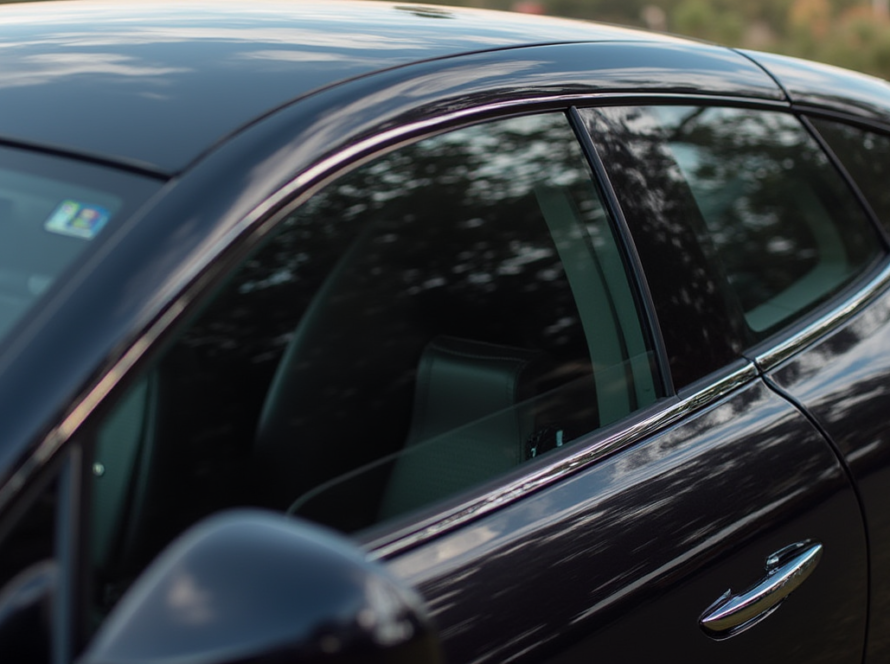
Visible Light Transmission (VLT) refers to the percentage of visible light that passes through your window and tint film. The lower the VLT, the darker the tint—and the more privacy and heat rejection you get.
Here’s a quick breakdown:
- 70% VLT = 70% of light passes through (very light tint)
- 35% VLT = 35% of light passes through (medium tint)
- 5% VLT = 5% of light passes through (very dark, limo-style tint)
Lower VLT percentages block more light, reduce glare, and offer greater privacy. Higher VLT percentages allow more light in, which improves visibility—especially at night.
Texas Tint Laws: What’s Legal?
Texas has specific regulations to ensure safety and visibility:
| Window Location | Legal VLT Minimum |
| Windshield (top 5″) | 25% or more VLT |
| Front Side Windows | 25% or more VLT |
| Rear Side & Rear | Any VLT allowed if dual mirrors are installed |
Prohibited colors: Red, amber, and blue tints are not allowed.
Violating these laws can result in fines up to $200, failed inspections, and the need to remove or replace illegal tint.
Choosing the Right VLT for Your Needs
Your ideal VLT depends on your goals: privacy, heat rejection, visibility, or style. Here’s a comparison:
| VLT % | Appearance | Privacy | Heat Rejection | Common Use |
| 70% | Very light | Low | Low | Windshields |
| 50% | Light | Moderate | Moderate | Balanced visibility |
| 35% | Medium | Good | Good | Popular legal choice |
| 20% | Dark | High | High | Rear windows |
| 5% | Very dark | Maximum | Maximum | Limo tint (often illegal on front windows) |
Pro Tips for Texas Drivers
- Factory tint + aftermarket film = combined VLT. Example: Factory glass VLT = 70%, Film VLT = 35% → Combined VLT = 24.5% (may be illegal on front windows).
- Night driving: Darker tints reduce visibility. If you drive often at night, consider 35% or higher VLT for safety.
- Medical exemptions: Texas no longer allows medical exemptions for darker tints. Choose legal films that still offer UV protection.
- VLT meters: Professional installers use VLT meters to test your windows. If you’re unsure about your current tint, get it checked before adding new film.
How VLT Affects Performance
VLT isn’t just about darkness—it affects:
- UV protection: Lower VLT films block more harmful rays.
- Heat rejection: Darker films reduce cabin temperatures.
- Glare reduction: Improves visibility during bright daylight.
- Privacy: Keeps valuables out of sight and adds security.
Even lighter tints (like 50% or 70%) can block 99% of UV rays if made with high-quality ceramic or carbon materials.
Why Choose EuroLuxe Detailing?
At EuroLuxe Detailing, we don’t just install tint—we help you choose the perfect VLT for your car, lifestyle, and Texas law. Our team uses premium ceramic and carbon films that offer:
- Maximum UV and heat rejection
- Crystal-clear visibility
- Long-lasting durability
- Legal compliance for Texas drivers
Located in Tomball, TX, we proudly serve the greater Houston area with expert tinting services that combine style, performance, and protection.
Schedule your window tint appointment today and let us help you drive smarter, cooler, and legally: EuroLuxe Detailing